
Building a Support Network as a Disabled Person
Isolation is one of the most common — and most damaging — experiences in the disability community. Here is how to build real, reciprocal support that sustains you.
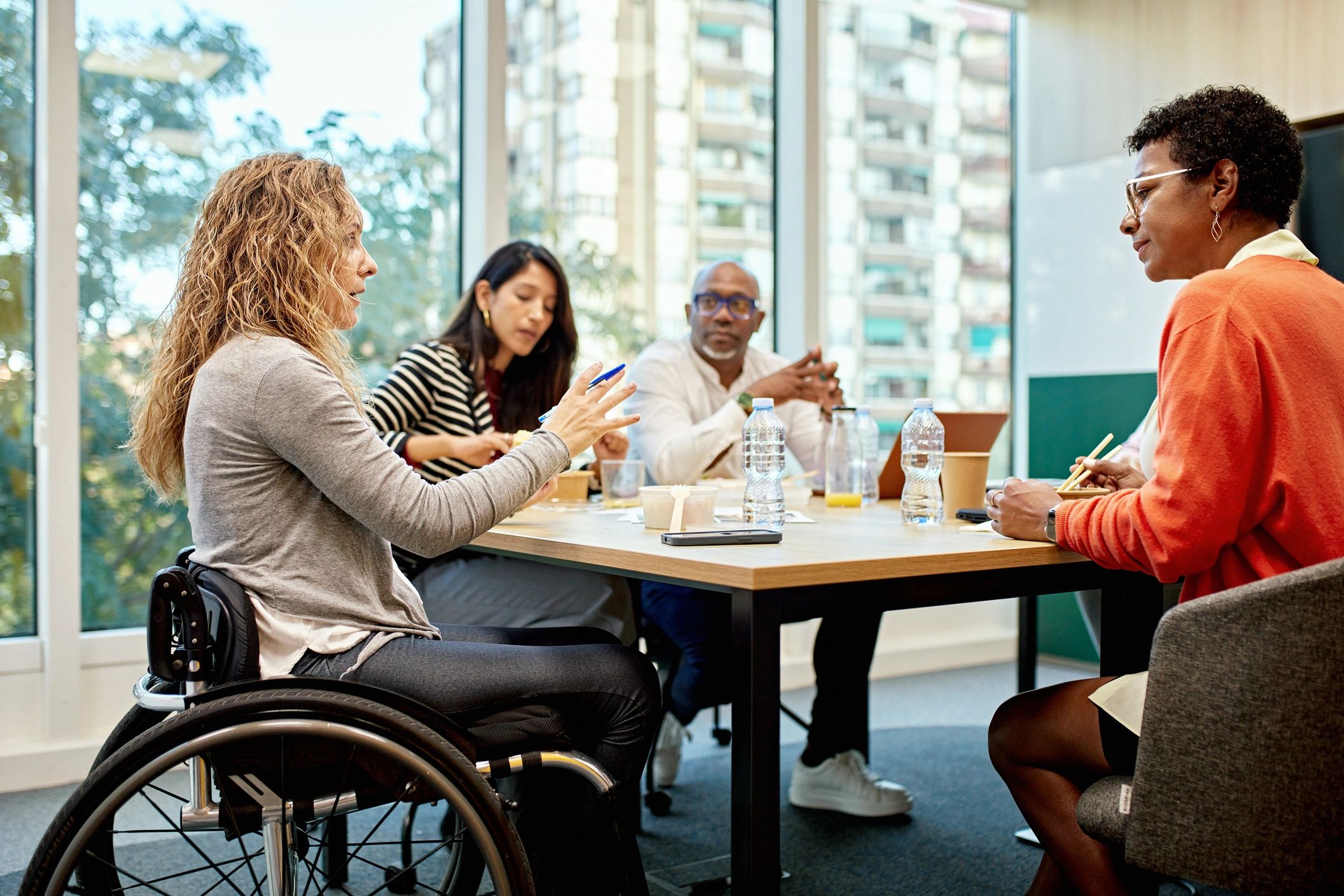
Isolation is one of the most common experiences in the disability community — and one of the least talked about.
It happens gradually, often. Friends drift away when plans keep getting cancelled. Family members don't know what to say, so they say less and less. Work colleagues move on. The social infrastructure that most people take for granted — the casual coffee, the spontaneous invitation, the easy belonging — becomes harder to access when your body doesn't cooperate with the world's schedule.
And then there's the loneliness of being misunderstood. Of explaining your condition for the hundredth time. Of watching people's eyes glaze over when you try to describe what fatigue actually feels like, or what a bad pain day really means.
Building a support network as a disabled person isn't just about having people around. It's about finding people who actually get it — and building relationships that are real, reciprocal, and sustaining.
Here's how to do that.
Why Support Networks Matter So Much
The research on social connection and health is unambiguous: isolation is as damaging to physical health as smoking 15 cigarettes a day. For people with chronic illness and disability, who are already managing significant health challenges, isolation compounds everything.
Strong social support is associated with:
- Better pain management
- Lower rates of depression and anxiety
- Improved immune function
- Better adherence to treatment
- Longer life expectancy
This isn't soft science. Connection is a biological need, and meeting it is part of managing your health.
The Layers of a Good Support Network
A healthy support network isn't one person who does everything — that's a recipe for burnout and resentment, for both of you. It's a web of different relationships that serve different purposes.
Peer support — people who share your experience of disability or chronic illness. These relationships offer something unique: the relief of being truly understood without having to explain yourself. Peer support can be formal (support groups, peer mentoring programs) or informal (online communities, friendships with other disabled people).
Practical support — people who help with concrete tasks: rides to appointments, help with groceries during a flare, assistance with paperwork. This might be family, neighbors, paid caregivers, or community volunteers.
Emotional support — people you can be honest with about how you're really doing. Not everyone in your life needs to fill this role, but you need at least a few people who can hold space for the hard stuff without trying to fix it or minimize it.
Professional support — therapists, social workers, case managers, peer specialists. These relationships are different from friendship, but they're genuinely part of a support network.
Community belonging — the sense of being part of something larger than yourself. This might come from disability advocacy, faith communities, creative communities, or any group where you feel you belong.
Finding Your People
The Disability Community Online
The internet has been genuinely transformative for disabled people. Online communities have made it possible to find your people regardless of geography — which matters enormously when you may not be able to leave your house on bad days, or when you live somewhere with no local disability community.
Places to look:
- Condition-specific forums and Facebook groups — search your diagnosis plus "support group" or "community"
- Reddit — r/disability, r/ChronicPain, r/MultipleSclerosis, and dozens of condition-specific communities
- Instagram and TikTok — the disability community on these platforms is large, vibrant, and often funny; following disabled creators can lead to real connection
- Discord servers — many disability communities have moved to Discord for more real-time connection
The key is finding spaces where people are honest about their experience — not just inspirational, not just venting, but genuinely human.
Local Disability Organizations
Many cities have independent living centers, disability resource centers, or condition-specific organizations that offer peer support programs, social events, and community connections. These vary enormously in quality and focus, but they're worth exploring.
Your state's vocational rehabilitation agency may also be able to connect you with peer support resources.
Support Groups
Formal support groups — whether in-person or online — offer structure that can make connection easier, especially when you're new to a diagnosis or going through a particularly hard stretch.
Look for groups facilitated by trained peer specialists or mental health professionals, which tend to be more supportive and less likely to spiral into unhelpful patterns.
Disability-Focused Events and Advocacy
Getting involved in disability advocacy — whether locally, nationally, or online — is one of the most powerful ways to build community. You meet people who share your values, you work toward something meaningful together, and the relationships that form through shared purpose tend to be deep and lasting.
Nurturing Relationships With Non-Disabled People
Not everyone in your support network will be disabled, and that's fine. But maintaining relationships with non-disabled people when you have a chronic illness requires some navigation.
Be honest about your needs. Many disabled people exhaust themselves performing wellness for the comfort of others — pretending to be fine, minimizing symptoms, not asking for accommodations. This protects other people's comfort at the cost of your own wellbeing and the authenticity of the relationship.
Real friends can handle honesty. If someone can't handle knowing you're having a hard day, that tells you something important about the relationship.
Communicate about cancellations. Cancelling plans because of a flare is a reality of life with chronic illness. How you communicate about it matters. A brief, honest message — "I'm having a rough pain day and need to rest, can we reschedule?" — is better than silence or vague excuses. Most people respond well to honesty.
Let people help. Many disabled people struggle to accept help, either because of internalized ableism ("I should be able to do this myself") or because asking feels like a burden. But letting people help you is actually a gift to them — it gives them a concrete way to show they care, which most people genuinely want.
Be specific about what you need. "Let me know if you need anything" is a kind offer that's hard to act on. "Could you pick up a few groceries for me on Thursday?" is something someone can actually do. Specific requests get better responses.
When Relationships Become Harmful
Not everyone in your life will be a positive presence. Some relationships — even with family members — are net negative: they drain your energy, dismiss your experience, or actively make things harder.
You are allowed to limit or end relationships that harm you. This is not selfishness. It's self-preservation, and it's a legitimate part of managing your health.
This doesn't mean cutting off everyone who says something ignorant. It means being honest with yourself about which relationships give you energy and which ones take it — and making choices accordingly.
Reciprocity: You Have Something to Give
One of the most damaging narratives around disability is that disabled people are only recipients of support — that we're burdens, that we take more than we give.
This is false, and it's worth naming directly.
Disabled people are some of the most skilled listeners, most creative problem-solvers, and most empathetic community members around — because living with difficulty builds those capacities. The peer support that disabled people provide to each other is genuinely life-saving. The advocacy work done by disabled people has changed laws, shifted culture, and made the world more livable for everyone.
You have something to give. Your experience, your perspective, your presence — these matter to the people around you.
A support network isn't charity. It's community. And community is built by everyone showing up for each other, in whatever ways they can.
Start Small
If you're reading this from a place of significant isolation, the idea of building a whole support network can feel overwhelming. Start smaller than that.
One online community. One honest conversation with a friend. One support group meeting. One message to another disabled person whose content resonated with you.
Connection builds on itself. One real relationship leads to another. The community you're looking for exists — it's just a matter of finding your way into it.
You don't have to do this alone. And you shouldn't have to.
Keep reading:
- Mental Health and Chronic Illness: Breaking the Silence — peer support is one of the most evidence-backed mental health tools we have
- Navigating Relationships When Disability Is Part of the Picture — the honest guide to what disability does to the people closest to you
- Living With MS: What Nobody Tells You — Craig's personal account of building community through chronic illness
This is exactly why Don't-Dis-Abilities exists. Read our story — and if you want to stay connected, join our newsletter.
Explore Topics
Written by
Don't-Dis-Abilities
Content creator and writer sharing insights and stories.

