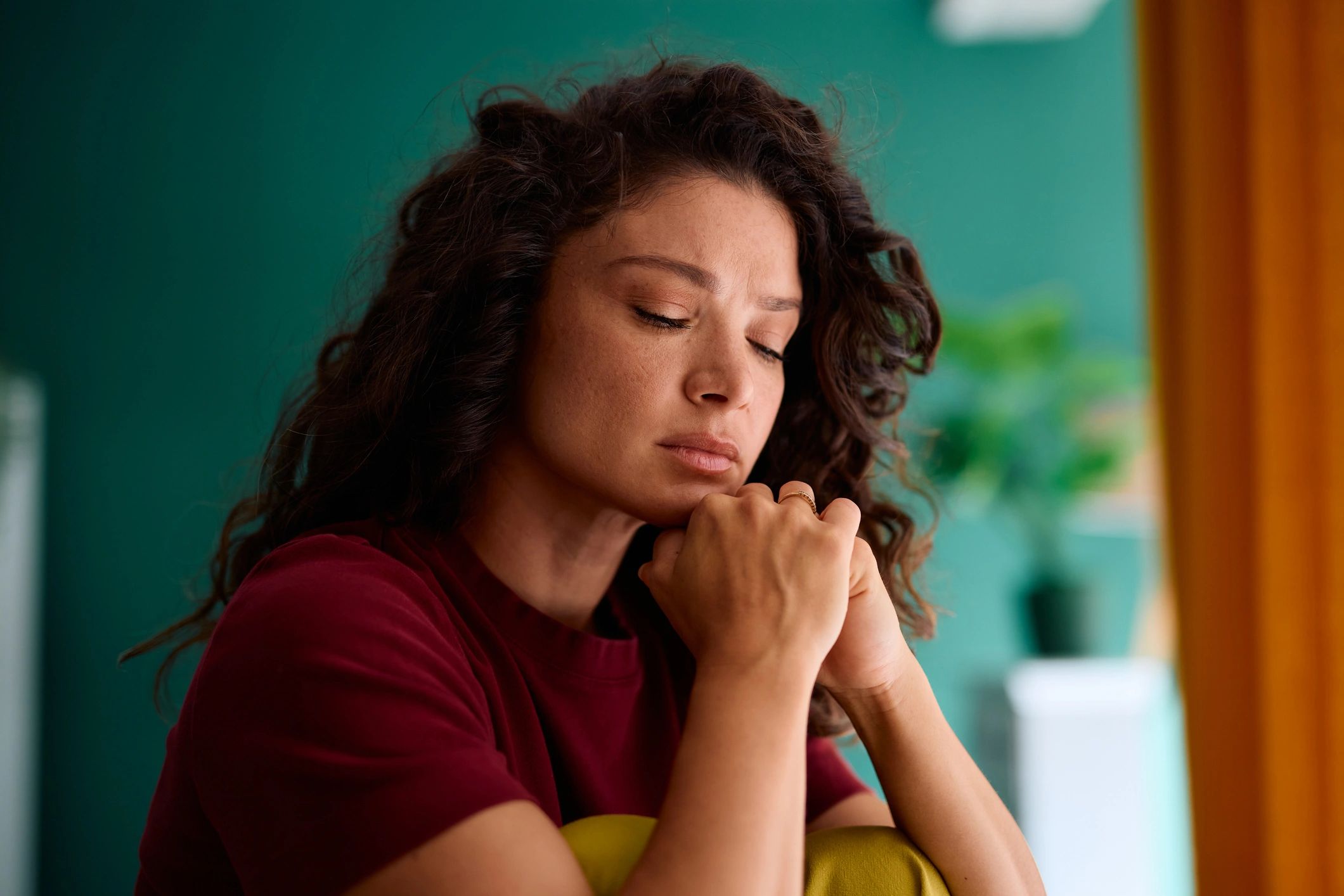
Living With MS: What Nobody Tells You
Multiple sclerosis is more than a diagnosis. It reshapes every corner of your life — and the wellness world mostly gets it wrong. Here is what living it actually looks like.
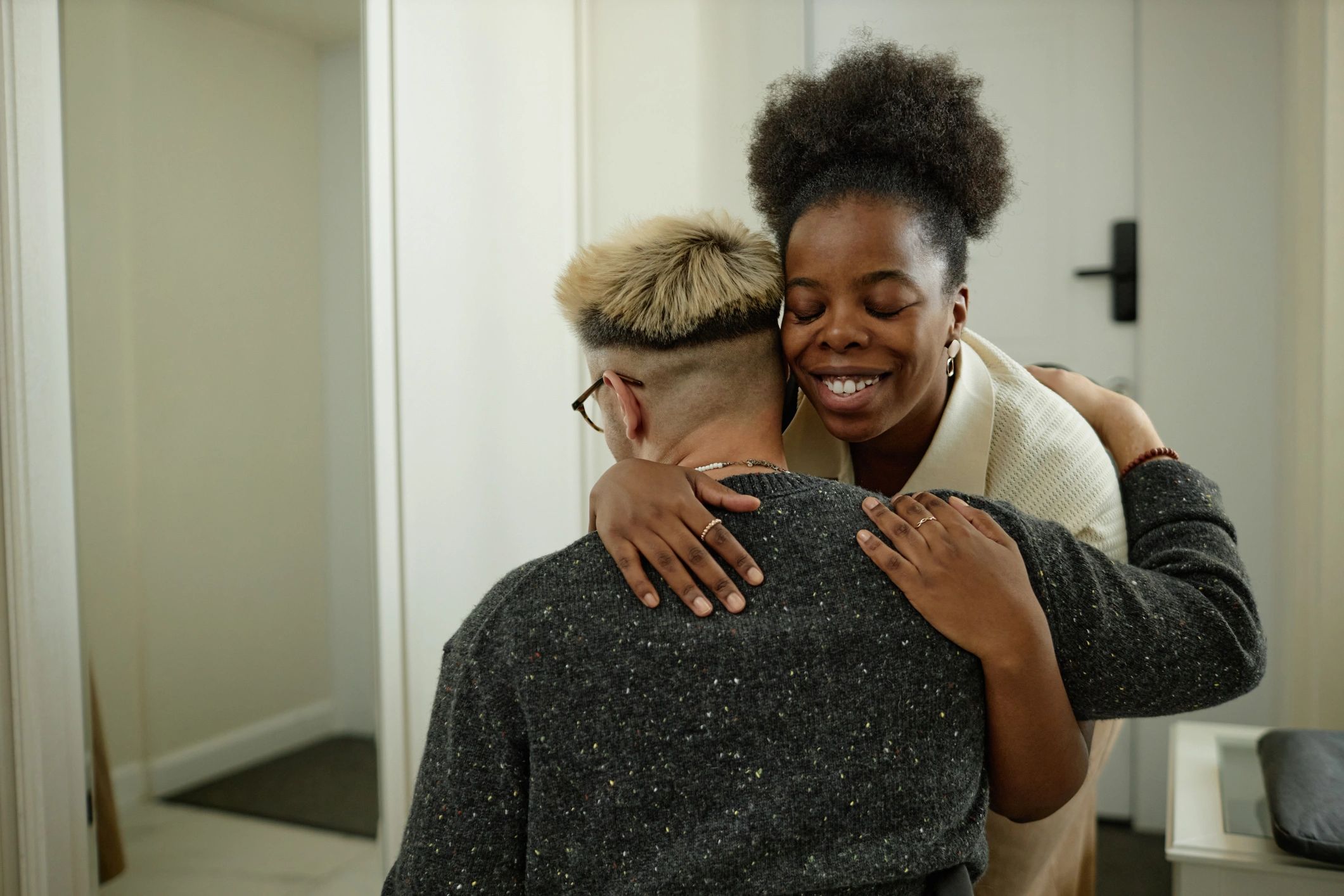
My wife was diagnosed with multiple sclerosis years ago. She also lives with scoliosis and a degenerative eye condition. And in all the time since that first diagnosis, I have noticed one consistent pattern: the world has a lot to say about MS, and most of it misses the point entirely.
This post is for the people who are living it. The ones who know that a "good day" doesn't mean you're cured. The ones who've been told to "stay positive" by someone who has never had to calculate whether they have enough energy to shower and make lunch. The ones who are tired of being an inspiration.
This is what nobody tells you about living with MS.
The Fatigue Is Not Like Being Tired
If you've never experienced MS fatigue, there is no analogy that fully captures it. It is not the tired you feel after a long day at work. It is not the tired you feel after a bad night's sleep. It is a bone-deep, neurological exhaustion that can arrive without warning and wipe out an entire day — sometimes an entire week.
My wife describes it as her body simply refusing to cooperate. She can want to do something with every part of her mind and still find that her body has made a different decision. That disconnect — between intention and ability — is one of the most disorienting parts of the disease.
The wellness industry's answer to this is usually some version of "listen to your body." Which is fine advice, except that MS fatigue doesn't whisper. It doesn't give you a gentle signal to slow down. It shows up like a wall.
What actually helps: pacing. Not pushing through. Not "mind over matter." Genuine, strategic energy management — treating your daily capacity like a budget and making intentional choices about where it goes.
Invisible Symptoms Are Still Real Symptoms
MS is often called an invisible illness, and that invisibility has real consequences. When my wife looks fine on the outside, people assume she is fine. They don't see the cognitive fog that makes a simple conversation feel like wading through wet concrete. They don't see the nerve pain. They don't see the vision disturbances that make reading a screen feel like a punishment.
The invisibility creates a particular kind of exhaustion on top of the physical one: the exhaustion of constantly having to explain yourself. Of deciding, every single day, whether it's worth it to tell someone why you can't do the thing they're asking you to do.
One of the things I've watched my wife navigate is the pressure to perform wellness — to seem okay enough that people don't worry, but not so okay that they stop believing her when she says she's struggling. That tightrope is something no one prepares you for.
The Medical System Was Not Built for You
This is a hard truth, but it's one that almost every disabled person I've spoken to has confirmed: the medical system, as it currently exists, was not designed with complex, multi-condition patients in mind.
My wife sees multiple specialists. Each one is focused on their piece of the puzzle. The neurologist manages the MS. The orthopedic specialist manages the scoliosis. The ophthalmologist monitors the eye condition. What is much harder to find is someone who looks at the whole person — who understands how these conditions interact, how a treatment for one might affect another, how the cumulative weight of managing multiple diagnoses affects mental health and quality of life.
We have learned to be our own advocates. To research. To ask questions. To push back when something doesn't feel right. That advocacy is exhausting, and it shouldn't be necessary — but until the system changes, it is.
Caregiving Is Invisible Labor
I want to say something directly to the caregivers reading this, because you are often the most invisible people in the disability conversation.
Caregiving is work. It is skilled, emotionally demanding, physically taxing work. It is also work that our society has largely decided not to count — not economically, not socially, not in the wellness spaces that talk endlessly about self-care while ignoring the people who make it possible for others to survive.
I am my wife's partner and her caregiver. Those two roles are not always easy to hold at the same time. There are days when I am managing medications and appointments and logistics and emotional support, and also trying to show up as a husband — as a person who loves her, not just someone who takes care of her.
What I've learned is that caregivers need community too. We need spaces where we can be honest about the hard parts without being accused of complaining. We need to be seen as whole people, not just support systems.
That's part of why this community exists.
Joy Is Not the Opposite of Struggle
Here is the thing that the inspiration-porn version of disability gets most wrong: it treats joy as something that happens despite disability. As if the goal is to overcome, to transcend, to be so positive that the hard parts don't matter.
That is not what joy looks like in our house.
Joy, for us, looks like a slow morning when the fatigue isn't too bad and we can sit together with coffee and not have to be anywhere. It looks like finding a new show we both love. It looks like my wife finishing a piece of writing she's proud of, on a day when her hands cooperated. It looks like laughing at something ridiculous, even when everything else is hard.
Joy and struggle coexist. They always have. The goal isn't to eliminate the struggle — it's to refuse to let the struggle be the only story.
What We Actually Need From the World
If you're reading this and you love someone with MS, or you work in healthcare, or you're just a person who wants to do better — here is what I'd ask of you.
Believe us. When someone tells you they're exhausted, or in pain, or can't do something today — believe them. You don't need to understand it to respect it.
Stop with the miracle cures. If you've heard about a supplement, a diet, a treatment, a mindset shift that will "fix" MS — please keep it to yourself unless we ask. We have heard all of it. We are doing our research. What we need is not more unsolicited medical advice.
Ask what we need. Don't assume. Don't project. Ask. "What would be helpful right now?" is one of the most powerful questions you can ask someone navigating chronic illness.
Show up consistently. Not just in the crisis moments. The long, ordinary, grinding days are the ones that need witnesses too.
This community was built for the people who are living this — not performing it, not overcoming it for someone else's comfort, but actually living it, in all its complexity and difficulty and unexpected beauty.
You belong here. All of it does.
— Craig, founder of Don't-Dis-Abilities
Keep reading:
- Navigating Relationships When Disability Is Part of the Picture — the honest guide to what disability does to the people closest to you
- Mental Health and Chronic Illness: Breaking the Silence — because the emotional weight of MS deserves as much attention as the physical
- Why Sleep Is Non-Negotiable When You Live With a Disability — practical strategies for the rest your body actually needs
Want more like this in your inbox? Join our newsletter — real talk, no toxic positivity.
Explore Topics
Written by
Craig
Content creator and writer sharing insights and stories.