
Adaptive Fitness: How to Work Out With a Disability
Exercise is for every body. Discover adaptive fitness strategies, equipment, and mindset shifts that make movement accessible — no matter your diagnosis.
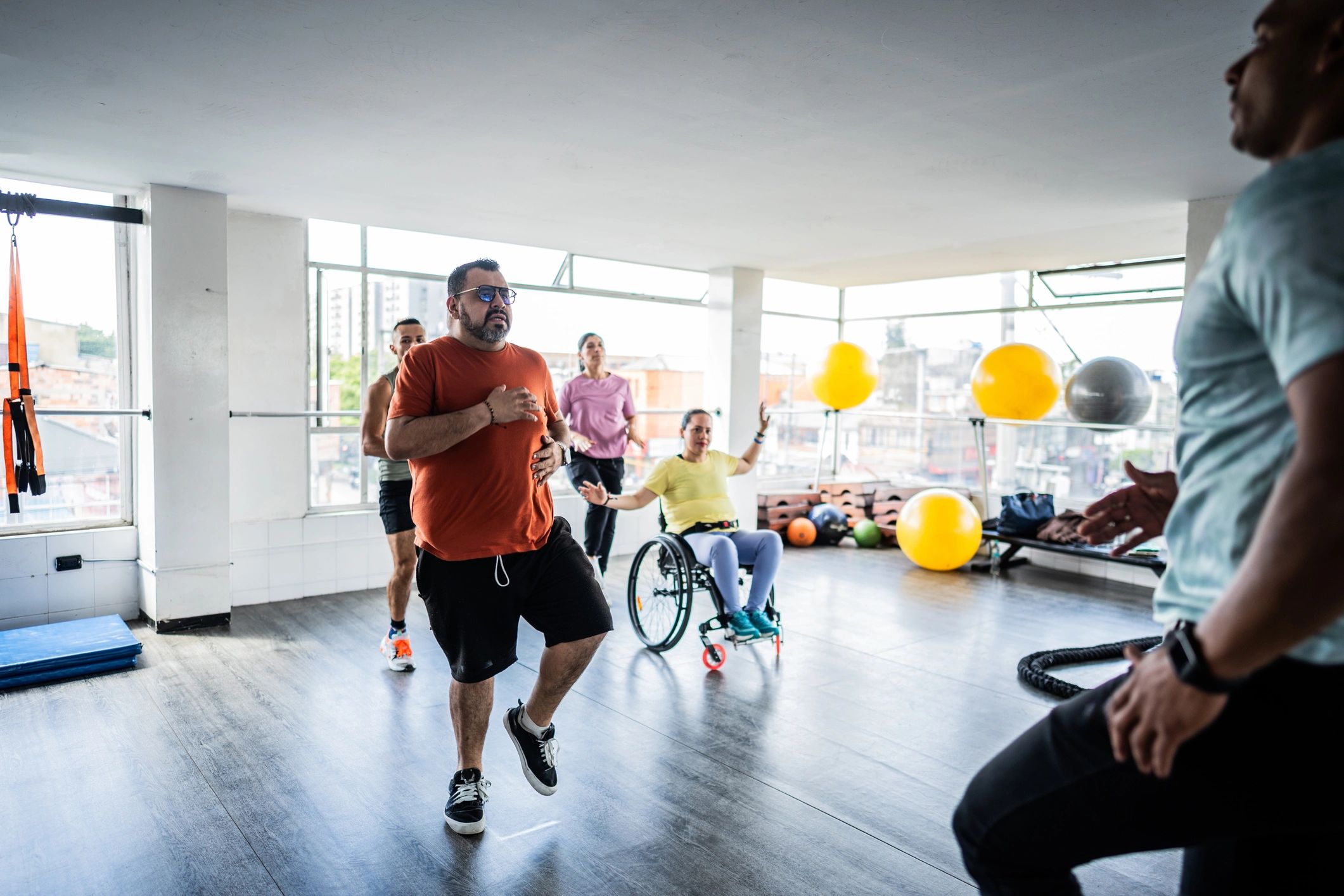
Nobody told you fitness was only for people without disabilities. But somewhere along the way — maybe in a gym that had no accessible equipment, or a workout video that assumed you had full use of every limb — you got that message anyway.
Here's the truth: movement is medicine, and it belongs to every body. Adaptive fitness isn't a consolation prize. It's a legitimate, powerful approach to health that millions of disabled people use to build strength, manage symptoms, reduce pain, and feel genuinely good in their bodies.
This is your guide to making it work for you.
What Is Adaptive Fitness?
Adaptive fitness simply means modifying exercise to fit your body's actual abilities — not the body a trainer assumes you have. It covers everything from seated strength training and wheelchair sports to aquatic therapy, adaptive yoga, and low-impact cardio for people with chronic fatigue.
The goal isn't to "overcome" your disability. It's to work with your body to build whatever version of strength, endurance, and mobility is meaningful to you.
Why Movement Matters for Disabled People
The research is clear: regular physical activity helps manage many of the secondary conditions that come with disability and chronic illness.
For people with MS, exercise has been shown to reduce fatigue, improve balance, and support cognitive function. For those with spinal cord injuries, strength training protects against cardiovascular disease and pressure injuries. For people managing chronic pain conditions, gentle movement can actually reduce pain signals over time by calming an overactive nervous system.
That said — and this is important — exercise is not a cure. It won't fix your disability. What it can do is improve your quality of life in ways that matter.
Starting Where You Actually Are
The biggest mistake in adaptive fitness is starting where you wish you were instead of where you actually are.
If you're dealing with significant fatigue, a 5-minute seated stretch counts. If you're in a pain flare, rest is the right choice. If you haven't moved intentionally in months, a short walk around the block is a real workout.
Before you start, ask yourself:
- What does my body feel like on an average day — not a good day or a bad day?
- What movements are available to me right now?
- What do I actually enjoy, or think I might enjoy?
- Do I need medical clearance before starting something new?
That last question matters. Talk to your doctor or physical therapist before beginning a new exercise program, especially if you have a progressive condition, cardiovascular concerns, or recent surgery.
Types of Adaptive Exercise to Explore
Seated and Wheelchair-Based Strength Training
You don't need to stand to build upper body strength. Resistance bands, light dumbbells, and bodyweight exercises done from a chair or wheelchair are highly effective. Exercises like seated rows, overhead presses, bicep curls, and chest presses can all be done seated.
Many gyms now have cable machines and free weights accessible from a wheelchair. If yours doesn't, that's worth raising with management — or finding a gym that does.
Aquatic Therapy and Swimming
Water is one of the most accessible exercise environments that exists. The buoyancy reduces impact on joints, the resistance builds strength, and the temperature can ease muscle spasms and pain. Aquatic therapy is particularly popular among people with MS, fibromyalgia, arthritis, and spinal cord injuries.
Look for pools with lifts or ramps, and ask about adaptive swim programs in your area.
Adaptive Yoga
Yoga has been adapted extensively for people with disabilities. Chair yoga, trauma-informed yoga, and yoga for chronic illness all modify traditional poses to be accessible from a seated position or with limited range of motion.
Beyond flexibility, yoga offers breathing techniques and mindfulness practices that are genuinely useful for managing chronic pain and fatigue.
Wheelchair Sports
If competition or team energy motivates you, wheelchair sports are worth exploring. Wheelchair basketball, tennis, rugby, and racing are all established sports with organized leagues. Beyond the physical benefits, the community aspect is significant — many people describe wheelchair sports as transformative for their sense of identity and belonging.
Low-Impact Cardio for Chronic Fatigue
For people managing conditions like ME/CFS, fibromyalgia, or post-viral fatigue, traditional cardio can trigger post-exertional malaise — a worsening of symptoms after exertion. This is real, and it's not weakness.
Low-impact options like gentle walking, recumbent cycling, or even slow dancing can provide cardiovascular benefit without the crash. The key is staying well within your energy envelope and building up very slowly over time.
Adaptive Equipment Worth Knowing About
The right equipment makes a real difference. Here are some tools that open up exercise options:
- Resistance bands — versatile, affordable, usable from any position
- Recumbent bikes — cardiovascular exercise with back support and no balance requirement
- Hand cycles — upper-body cardio for wheelchair users
- Grip aids and wrist wraps — for people with limited hand strength or dexterity
- Balance boards and stability balls — for those working on proprioception and core stability
- Weighted blankets and compression garments — can help with sensory regulation during movement
Many of these are available through adaptive sports organizations, and some may be covered by insurance or HSA/FSA funds.
Finding Adaptive Fitness Resources
You don't have to figure this out alone. These resources are worth exploring:
- Disabled Sports USA — adaptive sports programs nationwide
- National Center on Health, Physical Activity and Disability (NCHPAD) — free exercise programs and resources
- Challenged Athletes Foundation — grants for adaptive sports equipment
- YouTube — search "wheelchair workout," "seated yoga," or "adaptive fitness" for free video content
- Local physical therapists — often the best starting point for a personalized plan
The Mental Side of Adaptive Fitness
Here's something that doesn't get talked about enough: starting an exercise practice when you have a disability can bring up a lot of feelings.
Grief, for what your body used to do. Frustration when a flare derails your routine. Comparison to non-disabled people. The exhausting pressure to "inspire" others just by existing in a gym.
All of that is valid. And none of it means you should stop.
Movement can be a form of self-respect — a way of saying that your body deserves care, regardless of what it can or can't do. That's a powerful thing to build, one small session at a time.
Start Small, Stay Consistent
The research on exercise and chronic illness consistently shows that consistency matters more than intensity. Three 10-minute sessions a week, done regularly over months, will do more for you than one heroic workout followed by a two-week crash.
Start smaller than you think you need to. Build slower than feels necessary. Rest without guilt. And celebrate the fact that you're moving at all — because that matters.
Your body is worth showing up for. Exactly as it is, right now.
Keep reading:
- Eating Well With a Disability: Practical Tips That Actually Work — fuel your movement with a low-spoon nutrition approach that actually fits your life
- Why Sleep Is Non-Negotiable When You Live With a Disability — recovery starts with rest; here's how to protect it
- Mental Health and Chronic Illness: Breaking the Silence — the emotional side of starting an exercise practice when you have a disability
Want this kind of content delivered to your inbox? Join the Don't-Dis-Abilities newsletter.
Explore Topics
Written by
Don't-Dis-Abilities
Content creator and writer sharing insights and stories.


